
Every successful website, affiliate business, ecommerce store, and digital brand has one thing in common: they have organic traffic working for them around the clock — without paying a cent per click. This guide explains exactly what organic traffic is, why it is the most powerful growth asset you can build in 2026, and how to start generating it today.
What Is Organic Traffic? The Clear Definition
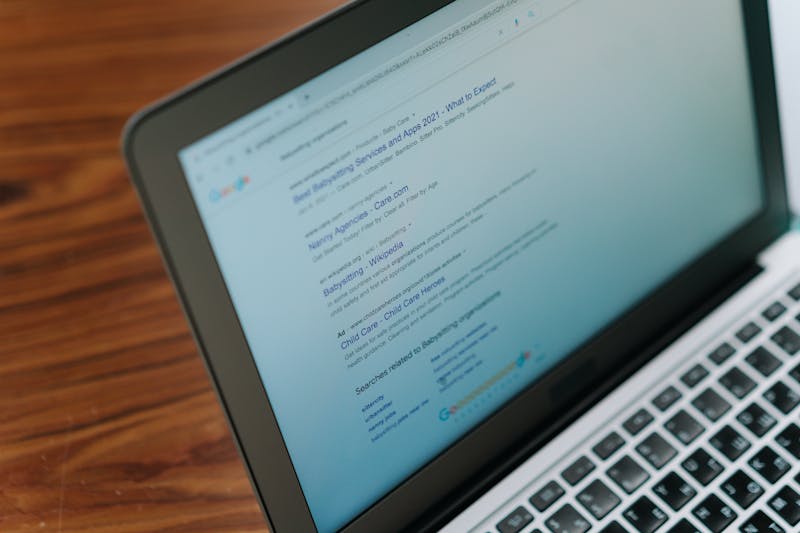
Organic traffic is every visitor who arrives at your website through an unpaid source. When someone types a question into Google, clicks your listing in the search results, and lands on your page — that is organic traffic. No ad was purchased. No money changed hands. They found you because your content was relevant, trusted, and visible.
Definition
"Organic traffic refers to website visitors acquired through unpaid, naturally earned search engine rankings and non-paid digital channels — as opposed to visitors acquired through paid advertising campaigns."
The word organic is borrowed from farming. Just as organic crops grow naturally without synthetic inputs, organic traffic grows naturally without paid intervention. You plant the seed — the content — and it keeps producing long after the initial effort.
In contrast, paid traffic is like renting a field. The moment you stop paying the rent, the field goes back to the landlord and your harvest disappears. Organic traffic is land you own outright — it keeps producing season after season.
💡 Quick fact: According to BrightEdge research, organic search drives 53% of all website traffic across industries — making it the single largest traffic source on the internet. Paid search accounts for just 15%. The majority of buyers find businesses organically.
The 4 Main Sources of Organic Traffic
Many marketers think organic traffic means only Google search. In reality, organic traffic comes from multiple sources — and understanding all of them is the key to building a system that compounds from every direction:
🔎 The 2026 opportunity: Most businesses focus exclusively on Google search traffic and ignore referral, podcast, and social organic sources entirely. AI tools like AmpCast AI now allow you to distribute content across all four organic sources simultaneously — multiplying your organic reach without multiplying your workload.
Why Organic Traffic Matters More Than Ever in 2026
Organic traffic has always been valuable. But in 2026, it has become the single most important asset any online business can build — and here is why the urgency has never been higher.
Organic Traffic vs Paid Traffic: The Real Comparison
Both have a place in marketing. But in 2026, with ad costs rising across every platform and organic AI distribution tools now available to anyone, the balance has shifted dramatically in favour of organic. Here is the honest comparison:
| Organic Traffic | Paid Traffic | |
|---|---|---|
| Cost per visitor | $0 per click | $0.50 - $8.00+ per click |
| Traffic when you stop | Continues compounding | Stops immediately |
| Visitor trust level | High — pre-qualified intent | Low — cold interruption |
| Conversion rate | 2x - 3x higher typically | Lower — cold audience |
| 12-month ROI trend | Grows month over month | Flat or increases in cost |
| Brand authority built | Strong — compounding | None — ads are invisible |
| Platforms reached | Unlimited with AI tools | One platform per campaign |
| Speed of results | Slower start, then exponential | Fast — but rented |
| Algorithm dependency | Spread across many platforms | One platform change = crisis |
⚠ The paid ads reality in 2026: Facebook CPMs have risen over 40% in three years. Google ad costs in competitive niches now exceed $10 per click. For most small businesses and affiliate marketers, paid traffic has moved from a growth tool to a survival tax. Organic traffic is no longer an option — it is the exit route.
How Search Engines Decide Who Gets Organic Traffic
Organic traffic from search engines is not random. Google uses over 200 ranking factors to decide which pages appear at the top of results for any given keyword. Understanding the main ones helps you build content that earns organic traffic consistently:
- Content Relevance — Does your page answer the specific question the searcher typed? Google matches intent, not just keywords. A page that directly answers the question outranks a page that only mentions the keyword.
- Content Authority — Is your brand known and trusted? Pages on established domains with consistent publishing history rank faster than new sites with no track record.
- Backlinks and Citations — When other trusted websites link to or mention your content, Google treats it as a vote of confidence. More quality citations equal higher rankings.
- Topical Depth — Sites that cover a topic comprehensively — across articles, videos, podcasts, and news — rank higher than sites with thin, isolated content on the same subject.
- User Experience Signals — How long do visitors stay? Do they click other pages? Fast-loading, well-structured pages that keep readers engaged send strong ranking signals.
- Multi-Platform Presence — In 2026, Google's algorithm considers brand mentions across YouTube, news sites, podcasts, and social platforms — not just backlinks. A brand mentioned everywhere ranks better than one mentioned in one place.
How to Build Organic Traffic: The 2026 Method
Traditional SEO advice — write a blog post, wait for Google to rank it, repeat — still works. But in 2026, the brands building organic traffic fastest are using a fundamentally different approach: multi-platform content distribution powered by AI.
Here is the step-by-step method that is outperforming single-platform SEO by a significant margin:
Identify High-Intent Keywords in Your Niche
Find the exact questions your ideal buyer types into search engines. Target keywords with real search volume and commercial intent — not just high traffic topics that attract browsers, not buyers.
Create Content That Directly Answers the Question
Write articles, record videos, or produce podcast content that gives the most complete, most useful answer to the keyword query. Depth and specificity beat length and keyword stuffing every time.
Distribute Across Multiple Platforms Simultaneously
Repurpose your core content into news articles, podcast episodes, video scripts, infographics, and social posts. Publish across Google News, YouTube, Spotify, LinkedIn, and major authority sites — not just your own blog.
Build Topical Authority Through Consistent Publishing
Publish content clusters around related topics so search engines recognise your site as the authoritative source in your niche. Isolated articles rank slowly. Clusters rank fast.
Let the System Compound on Autopilot
As your content ages and accumulates mentions, citations, and backlinks across the internet, your organic authority grows automatically. The system gets stronger every month without additional effort.
💡 The 2026 shortcut: What used to take a team of content writers, outreach specialists, and PR agencies to achieve — multi-platform organic presence — can now be set up in 60 minutes a day using AI tools like AmpCast AI. One topic. Seven to nine content formats. Automatic distribution to 337+ platforms. That is the modern organic traffic system.
Organic Traffic Works in Every Niche — Here Is Proof
A common objection is that organic traffic only works in certain niches. The reality is that organic traffic works wherever buyers search for solutions — which is every niche online. Here are documented results across different markets:
- Ecommerce (Fitness Equipment) — A single ecommerce store grew from zero to 40,000 organic buyer clicks per month by month 15 using a multi-platform content distribution system. Revenue reached $307,500 per month with zero ad spend.
- Online Business / Coaching — Operators using the AmpCast AI organic system generated $3.6 million in six months in the exercise and coaching niche through compounding organic authority content.
- Local Business — A children's nursery business achieved its best trading year in two decades by distributing organic content across local news sites, directories, and community platforms.
- Agency Services — Agency owners running organic AI content campaigns for clients have closed contracts worth $52,000 from a single client, using organic credibility as the lead generation engine.
- Affiliate Marketing — Affiliate marketers using multi-platform organic content systems earn compounding commissions long after the initial content is published — with no ongoing ad budget required.
- Crypto and Finance — Financial content distributed organically across news platforms, YouTube, and podcast networks builds the trust signals that convert at multiples above paid traffic in compliance-sensitive niches.

🌟 Want to Build Your Own Organic Traffic Machine?
AmpCast AI is the only platform that takes one topic and automatically distributes it across 337+ platforms — YouTube, Google News, Spotify, LinkedIn, TikTok — all from 60 minutes of work. Join the free live webinar to see the exact system that generated $307,500/mo in organic sales.
👉 Get Founding Member Access to AmpCast AI Watch Free Webinar First 👉 Free to attend · 8 AI tools included · Founding Backer pricing closes June 22nd5 Organic Traffic Mistakes That Keep Most Websites Stuck
Understanding what organic traffic is matters less than avoiding the mistakes that prevent it from growing. These five errors account for the majority of stalled organic growth:
- Publishing on one platform only — Relying exclusively on your own blog means you only benefit from one algorithm. Multi-platform presence multiplies your organic surface area across all the channels where your buyers actually spend time.
- Targeting keywords without buyer intent — Traffic from informational keywords with no purchase intent fills your analytics but not your bank account. Target keywords that indicate the searcher is ready to act — "best," "how to," "buy," "review," "for [specific audience]."
- Publishing and abandoning — Content needs internal links, updates, and new citations over time to maintain and improve its ranking. A publishing-only strategy without ongoing optimisation leaves traffic on the table.
- Ignoring topical authority — One article on a topic signals nothing. A cluster of 10 to 15 interconnected articles on related topics signals deep expertise — and that is what Google rewards with ranking momentum.
- Expecting instant results — The biggest reason marketers abandon organic traffic and return to paid ads is impatience. Organic compounds slowly at first — then exponentially. The marketers who stay consistent for 6 to 12 months are the ones who build traffic machines that run for years.
How AI Is Transforming Organic Traffic Generation in 2026
The organic traffic landscape of 2026 looks nothing like it did in 2020. Artificial intelligence has changed every part of the equation — from how content is created to how it is distributed to how search engines evaluate it.
Here is what has changed and why it creates a massive opportunity for anyone willing to adapt:
📊 Google's AI Overviews now answer many queries directly on the search results page — meaning only brands with deep topical authority and multi-platform presence get featured. Surface-level single-blog content is invisible. Brands with a wide organic footprint win.
🤖 ChatGPT and AI assistants are now referring millions of users to specific websites they trust. The brands getting recommended are those with consistent content across news, podcasts, video, and articles — not brands with a single-channel presence.
🎤 Podcast and video organic traffic has grown by over 300% in three years as buyers increasingly search on Spotify, YouTube, and TikTok before they search on Google. Brands present on all these platforms simultaneously capture traffic that single-channel brands miss entirely.
The solution to all three shifts is the same: multi-platform organic content distribution. Creating content once and distributing it everywhere simultaneously is now possible with AI tools specifically built for this purpose — and it is the strategy that is winning in every niche where it is being applied.
AmpCast AI was built exactly for this moment. Take one topic. Generate seven to nine content formats automatically. Distribute to 337+ platforms including YouTube, Google News, Spotify, LinkedIn, and major news networks. Let the organic authority compound. Repeat on 60 minutes a day.
Frequently Asked Questions About Organic Traffic
Organic traffic is every visitor who finds your website naturally — through a Google search, a YouTube video, a podcast mention, or a link on another site — without you paying for that click. It is the opposite of paid advertising where you buy each visitor.
Paid traffic costs money for every click and stops the moment you stop your ad campaign. Organic traffic is earned through content quality, authority, and consistent publishing — and it keeps sending visitors long after the work is done. Organic compounds. Paid evaporates.
Traditional single-platform SEO typically takes 3 to 6 months to gain visible traction. With AI-powered multi-platform distribution, content can start appearing across hundreds of platforms within days — accelerating the trust signals and citation volume that drive organic rankings significantly faster.
Yes. Google Search Console is a free tool that shows you exactly which keywords are driving organic traffic to your site, how many impressions and clicks you receive, and your average ranking position. Bing Webmaster Tools provides the same data for Bing search traffic. Both are free and highly recommended for any website owner.
The fastest method in 2026 is multi-platform content distribution — taking a single piece of content and automatically distributing it across search, video, podcast, and news platforms simultaneously. This builds citation volume, brand mentions, and authority signals far faster than single-platform blogging alone. AI tools like AmpCast AI make this achievable in 60 minutes a day.
Yes — and it is the most sustainable affiliate marketing strategy available. Organic content drives buyers to affiliate offers at zero ongoing cost per click. As your content ages and accumulates authority, your affiliate commissions compound automatically. Many affiliate marketers using multi-platform organic systems earn consistent passive income years after first publishing their content.
In digital marketing, organic traffic refers to the segment of website visitors acquired through non-paid channels — primarily search engines, but also organic social media reach, referral links from other websites, direct type-in traffic, and media mentions across news, podcast, and video platforms.
Ready to Build Organic Traffic That Works While You Sleep?
You now know what organic traffic is, why it matters in 2026, and how the most successful online businesses are building it. The next step is seeing the system in action. AmpCast AI turns one topic into 8 content formats distributed to 300+ platforms automatically — zero ad spend, zero technical skills, 60 minutes a day. Founding Backer pricing and double AI credits available now before the countdown closes.
Founding Backer pricing · Double AI credits · 300+ platforms · Countdown runningThis article contains affiliate links. If you register or purchase through links on this page, this site may earn a commission at no additional cost to you. Traffic results referenced are documented case studies from AmpiFire clients. Individual results vary based on niche, effort, and implementation.
Post a Comment