

Most marketing plans are still built around 1-3 touchpoints: an ad, a landing page, maybe a follow-up email. Real buyers need 7 to 12. That gap is quietly costing more conversions than any targeting or copywriting mistake.
Ask most marketers how many times a buyer needs to encounter their brand before converting, and you'll get vague answers — "a few times," "it depends." Meanwhile, actual buyer behavior research points to something far more specific: between 7 and 12 touchpoints before someone in a higher-consideration purchase (agency services, B2B software, professional consultations) actually converts.
Most funnels aren't built for that. They're built for 2 or 3 touches, then wonder why conversion rates stall. This article breaks down what the rule actually means, why most marketing still ignores it, and how to realistically build that many touchpoints without a 7-12x marketing budget.
What the 7-12 Touchpoint Rule Actually Means
The rule isn't about repetition for its own sake. It reflects how buyers actually behave: they don't decide after one ad. They see a social post, later read a review, watch a comparison video, ask an AI tool for a recommendation, visit the website twice, and only then reach out. Each of those is a touchpoint — a separate moment of contact between the buyer and the brand, across any channel.
For higher-consideration purchases especially, that adds up to somewhere between 7 and 12 separate moments of contact before a purchase or booking decision happens.
Why Most Marketing Still Ignores It
Most marketing plans are built around a single channel or campaign: run ads, drive traffic, hope for conversions. That structure can realistically deliver 1-3 touchpoints at best — an impression, a click, maybe a retargeting ad. It's not that marketers don't know buyers need more contact. It's that most channels and budgets are built to deliver a handful of touches, not the 7-12 the data actually calls for.
This is exactly the gap we described in why SEO alone isn't enough anymore — a single channel, however well optimized, structurally can't produce the number of touchpoints modern buyers need.
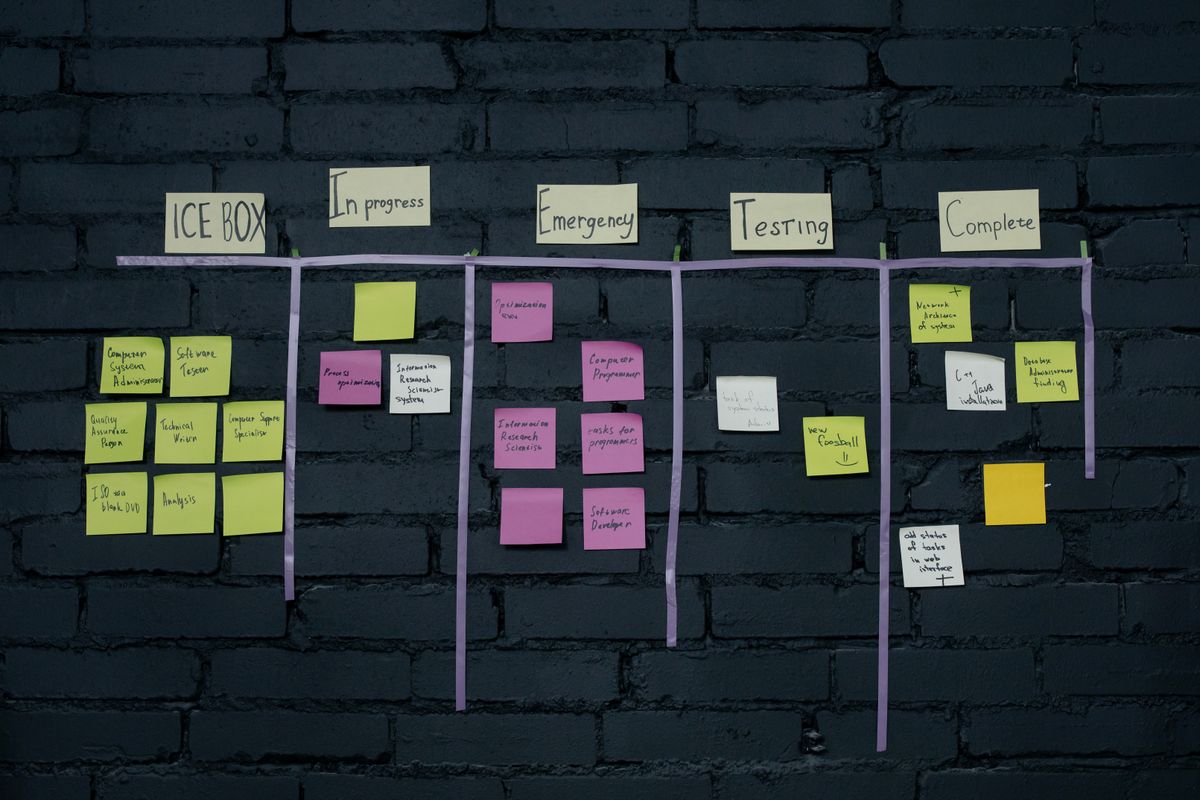
Each stage of the buyer journey needs its own set of touchpoints, not one channel repeated
What Actually Counts as a Touchpoint
Touchpoints are broader than most marketers assume. A buyer doesn't need to click your ad 7 times — they need to encounter your brand 7-12 times across any mix of these:
A news mention or press feature
A video they watch
A podcast that references you
An AI engine recommendation
A social post or comment
A search result they click
The businesses hitting 7-12 touchpoints aren't running 12 ad campaigns. They're present across enough platforms that a normal research process naturally runs into them that many times.
Why This Number Keeps Growing
Buyers have gotten more cautious, not less. Rising ad fatigue, more comparison shopping, and more skepticism toward marketing claims all push the touchpoint requirement higher, not lower. On top of that, buyers now split their research across traditional search and AI engines, effectively doubling the number of surfaces a brand needs to appear on to get noticed at all.

Mapping every stage of the journey reveals how many touchpoints are actually needed
How to Build 7-12 Touchpoints Without a 7-12x Budget
Manually creating and placing content across that many touchpoints is exactly what MultiCasting is built for. Rather than running 7-12 separate campaigns, one core piece of content gets converted into multiple formats and distributed across 300+ platforms at once — naturally generating the range of touchpoints buyers need, without a proportional increase in spend. We cover exactly how that mechanism works in our full MultiCasting explainer.
Signs Your Funnel Has Too Few Touchpoints
- Your marketing relies on a single channel — one ad platform, one type of content, or one traffic source
- Leads go cold after 1-2 interactions instead of warming up over time
- You have no presence in video, podcasts, or news mentions — only your own website and ads
- Your buyers describe long research phases, but your content only reaches them at the final decision stage
- Conversion rates have stalled despite increasing ad spend on the same channel
Frequently Asked Questions
It applies most strongly to higher-consideration purchases — agency services, B2B software, professional consultations. Low-cost, impulse purchases typically need fewer touchpoints.
No. Most of them happen elsewhere — news sites, social platforms, video, podcasts, and AI engine recommendations — before a buyer ever lands on your site.
Map every place your brand realistically appears — ads, search results, social, press, video, AI recommendations — and count them honestly. Most businesses find the number is lower than they assumed.
Not necessarily. More ad spend often means more frequency on the same channel, not more distinct touchpoints. A wider content footprint tends to be more cost-effective for adding genuinely new touchpoints.
Agencies managing client budgets are often judged on conversion performance. Structuring campaigns around real touchpoint requirements, rather than single-channel repetition, tends to produce more realistic results for clients.
Build Your 7-12 Touchpoints Without the Extra Budget
See how AmpiFire's MultiCasting distribution creates a natural, wide touchpoint footprint.
Disclosure: This article contains affiliate links. If you choose to purchase a service through one of these links, we may earn a commission at no extra cost to you. We only recommend platforms we believe offer genuine value to the businesses reading this content.
Post a Comment