

Most agencies don't have a demand problem. They have a margin problem. Here's how a different kind of service changes the math, and what has to be true for those margins to be real.
If you run a marketing agency, you've probably felt the squeeze. SEO and paid ads are crowded, clients compare you on price, and every new retainer needs more people to deliver it. Revenue grows, but profit barely moves, because the work scales with headcount.
The agencies pulling ahead are doing something different. They're adding a service where the deliverable is repeatable, the client can see the results, and fulfilment doesn't need a production team behind every account. This article walks through the math, the packaging, and where MultiCasting fits. It also covers the conditions that have to hold, because "90% margin" is only true under specific assumptions.
Why Agency Margins Keep Shrinking
Traditional agency services share one weakness: they're labor-heavy. Writers, designers, editors, account managers, and media buyers all bill hours against every client. When a client asks for more, your costs rise almost one for one.
Meanwhile, clients are asking harder questions. They've noticed that buyers now research across AI engines, video, podcasts, and news, not just Google. As we covered in why SEO alone isn't enough anymore, a single-channel retainer no longer answers that question. Agencies without a good answer lose ground to those that have one.
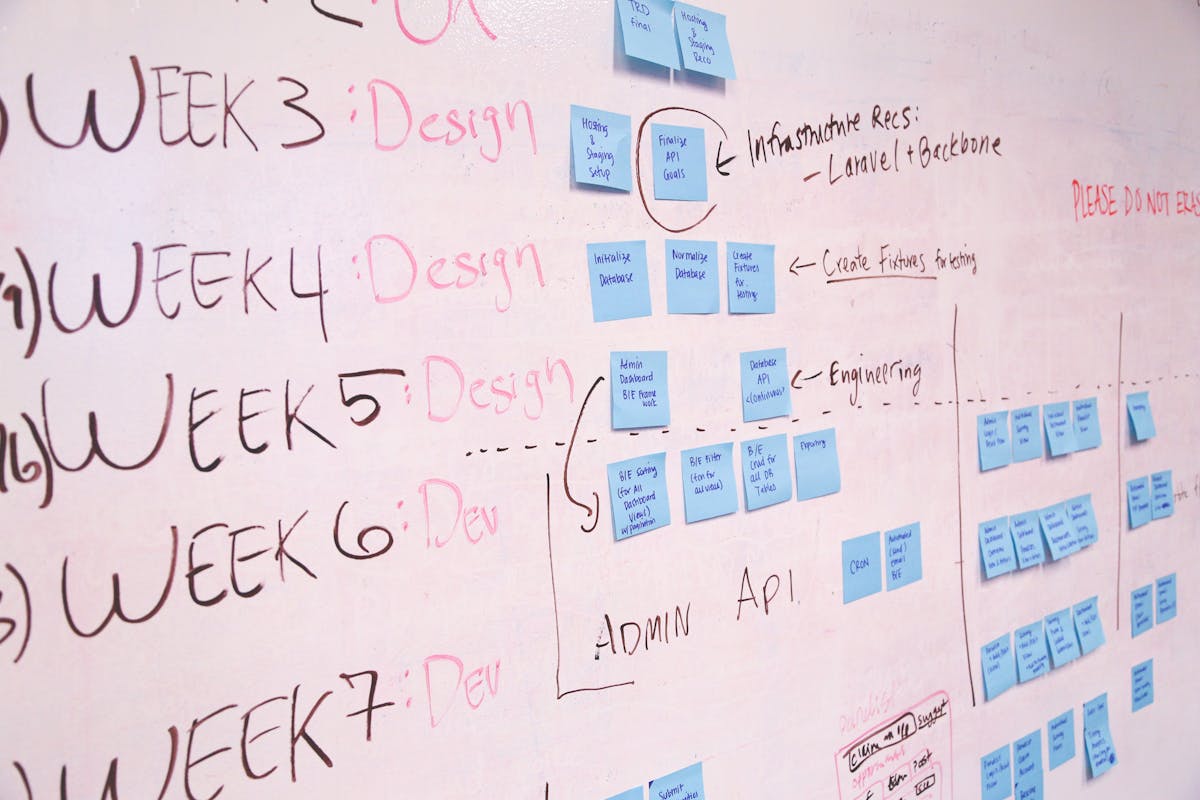
Services built on repeatable systems scale without a matching jump in headcount
What Makes a Service "High Margin"
Margin is simple arithmetic, and it's worth stating plainly before any agency builds a business case around it.
A 90% margin means fulfilment costs about one tenth of what you charge the client. That only happens when the service has three traits: the work is largely systemised rather than hand-built, one fulfilment engine serves many clients, and the client pays for the outcome and the strategy, not for your hours.
Margin comes from leverage, not from charging more. If every client needs custom production from scratch, no pricing trick will get you to 90%.
An Illustrative Model: What Seven Figures Could Look Like
Here is a simple, hypothetical model to show how the numbers can stack up. These are example figures for an agency's own retainers, not AmpiFire pricing, and your real numbers will differ.
| Model input | Hypothetical figure |
|---|---|
| Retainer you charge per client, per month | $5,000 |
| Clients on the service | 17 |
| Monthly service revenue | $85,000 |
| Annual service revenue | about $1.02 million |
| Fulfilment cost at 10% of fees | $8,500 per month |
| Gross margin at that cost level | 90% |
Illustration only. The 90% result depends entirely on fulfilment costing about 10% of what you charge. Confirm real costs before building a forecast.
Seventeen clients is not a fantasy number for an agency with an existing client base. The harder questions are whether your clients will pay a retainer at that level and whether your fulfilment cost really stays that low. Both depend on the service you choose and how well you position it.
Why MultiCasting Fits the Agency Model
MultiCasting takes one client topic and turns it into multiple content formats, then distributes them across 300+ platforms. Our MultiCasting explainer covers the mechanics, but for agencies, three things stand out.
- One topic becomes written, video, audio, and visual content, so you aren't hiring a separate specialist for each format
- Distribution is built in, which removes the slowest manual step in most content retainers
- The footprint it builds answers the question clients now ask, whether AI engines and other platforms are talking about them
It also gives you a clear story for the touchpoint problem. Buyers need many contacts with a brand before they convert, a pattern we unpack in the 7-12 touchpoint rule. A single channel can't create that many. A wide distribution footprint can.

Turn one client topic into many formats instead of building each deliverable by hand
How to Package It for Clients: Four Steps
Open with a visibility audit. Ask AI tools about the client's category and record who gets recommended. We show exactly how in our guide to checking if ChatGPT recommends your business. The gap becomes your sales conversation.
Choose topics from real buyer questions. The strongest campaigns answer what the client's customers actually ask during research, not what the client wants to announce.
Run the campaign through one engine. Use a single fulfilment route for creation and distribution so every extra client adds revenue without adding a proportional workload.
Report visibility, then renew. Show where the client's content now appears and how traffic and enquiries move over time. Reporting on a growing footprint makes renewals easier than defending a ranking.
Which Clients to Offer It To First
E-commerce brands
Already spending heavily on ads and often outspent by bigger rivals. Our case study on a fitness equipment brand is the proof point to bring.
Local professional practices
Dental, legal, medical, and real estate clients in competitive markets, where being the name people see everywhere drives bookings.
B2B and consultants
Long sales cycles that depend on authority. Wide visibility gives their prospects far more chances to meet them before a call.
Where the 90% Figure Can Go Wrong
An honest plan names the risks. Here is what can quietly erode the margins above:
- Fulfilment costs more than you modelled, so the real margin lands well below 90%
- Clients expect results in weeks, but content-led visibility builds over months
- You promise specific traffic or revenue numbers instead of a visibility strategy
- You sell it to clients with a weak offer or website that distribution cannot rescue
- You skip reporting, so clients can't see the value and don't renew
For a sober look at fit, scope, and who should skip it, read our full AmpiFire review. And if a client asks how this differs from optimising for AI answers, our AEO versus MultiCasting comparison gives you the clear answer.
Frequently Asked Questions
No. It's only achievable if fulfilment costs about a tenth of what you charge. Model your own costs and pricing before assuming that figure.
Not necessarily. Content creation and distribution can run through one fulfilment engine, so the agency's role centres on strategy, topic selection, and client reporting.
Distribution is quick, but visibility and traffic gains typically build over several months. Set that expectation at the start so renewals aren't a surprise.
It works best as an addition. SEO and ads keep doing their jobs while the wider footprint adds touchpoints and AI visibility on top.
Run the visibility audit on two or three existing clients, then book a strategy call to confirm fit, scope, and fulfilment costs before you build an offer around it.
Explore a New Service for Your Agency
See how AmpiFire's MultiCasting could fit your agency and your clients.
Disclosure: This article contains affiliate links. If you choose to purchase a service through one of these links, we may earn a commission at no extra cost to you. The margin and revenue figures above are a hypothetical model for illustration, not a promise or forecast of results, and are not AmpiFire pricing.
Post a Comment