

Clicks for dental and legal keywords now cost more than almost any other industry. Smart practices are not quitting paid ads. They are refusing to rely on them alone. Here is the math, the shift in how patients and clients search, and a 90-day plan to rebalance.
Ask any practice owner who runs paid search, and you will hear the same story. The phone still rings when the budget is on, and it goes quiet the moment the budget is paused. Every lead is rented, and the rent keeps going up.
That is why more dental and legal practices are rethinking pure pay-per-click. To be clear, "ditching" is a strong word. The sensible move is not to switch ads off. It is to stop depending on them for every new patient and client.
The Rising Price of Rented Clicks
WordStream's 2026 Google Ads benchmarks, covering 13,474 search campaigns across 23 industries between April 2025 and March 2026, put attorneys and legal services at the highest average cost per click of any industry tracked. Dentists sit close behind.
Those are averages. In competitive cities and high-value practice areas, individual keywords can cost far more. And a click is not a client. Here is what the average cost per click can mean once you factor in how many clicks become enquiries.
| If this share of clicks becomes a lead | Legal cost per lead | Dental cost per lead |
|---|---|---|
| 3% | $329 | $267 |
| 5% | $197 | $160 |
| 8% | $123 | $100 |
Hypothetical illustration: average CPC divided by the lead conversion rate. The conversion rates are examples, not industry benchmarks. If one in four leads becomes a paying client, multiply each figure by four to estimate the cost of winning that client.
Run the same calculation with your own account. If your real cost per signed client is higher than you assumed, you are not alone, and you have found the budget worth rebalancing.

Patients still need a dentist they trust, and trust is built before the click
Why Pure PPC Is a Fragile Foundation
- The leads stop the day the budget stops, because you own none of the traffic
- Competitors can bid on the same terms and push your costs up without warning
- Some of the traffic you pay for is curious browsers, students or people comparing prices
- Ads ask for a decision from someone who may still be researching, so they can feel pushy
- Platform rule changes can alter your results overnight
How Patients and Clients Are Searching Now
For legal services, one 2025 survey from legal marketing firm iLawyer Marketing, as summarised by Cicero, shows a clear shift. Google is still dominant, but its share slipped, while ChatGPT use climbed quickly.
In the same survey, Google use fell from 91.7% in 2024 to 86.7% in 2025, and 94% of ChatGPT users also checked Google. The pattern is "ask AI first, then verify," which means being visible in both places matters. It also found that 85% of people say video helps their hiring decision. Separately, the ABA Journal has reported that 38% of consumers turn to the internet first when looking for a lawyer, while 29% ask family and friends first.
For dentists, the honest answer is less clear. Many articles cite big numbers on how often people use AI for health questions, but those figures measure health research in general, not choosing a dentist. We found no reliable data on how many new patients pick a practice through AI. What we can say is that patients already read reviews, check websites and ask AI tools questions, so it is worth testing your own visibility rather than assuming either way.
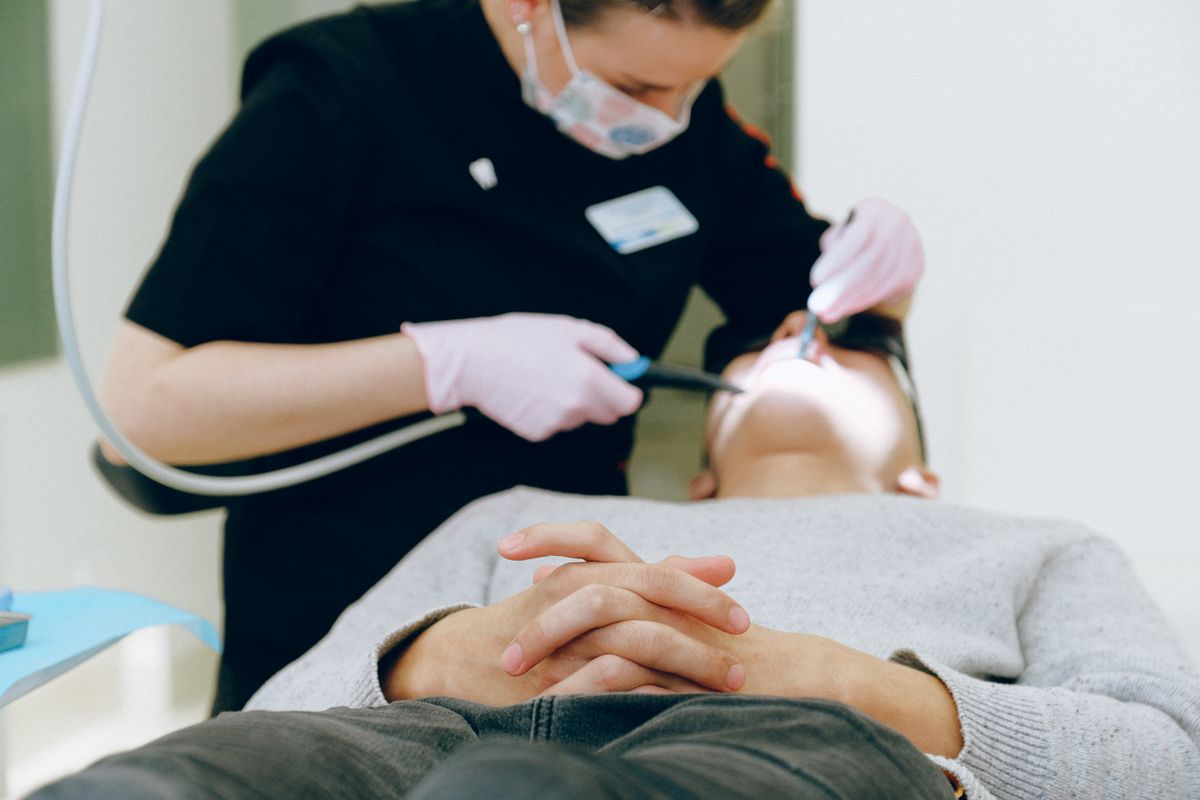
Reviews, videos and clear answers shape the choice before the first appointment
PPC vs Organic Visibility: Different Jobs
| Channel | Best at | Weak spot |
|---|---|---|
| Paid search | Catching urgent, ready-to-act searches fast | Rented traffic; costs rise; stops when paused |
| Organic and content | Building trust and compounding visibility over time | Slower to start; results build over months |
| Reviews and referrals | Reassuring people who are nearly ready to choose | Hard to scale on demand |
| AI answer visibility | Appearing when people ask who to choose | Varies by engine and question; no guarantees |
Notice that none of these is a replacement for the others. Paid search is excellent for an emergency dental appointment or a time-sensitive legal matter. Organic visibility does the slower job of making people already trust you before they search. The strongest practices run both.
Where MultiCasting Fits
If the opportunity lies in being found and trusted across many places, the challenge is producing enough content for a busy practice. MultiCasting tackles that by turning one topic into several formats, such as an article, video, podcast and social posts, then distributing them across 300+ platforms. Our MultiCasting explainer covers how it works.
That matters for the reasons above. Video helps people decide, a spread of third-party mentions helps AI engines find you, and repeated exposure supports the pattern in the 7-12 touchpoint rule. To see how AI engines choose who to name, read how to get recommended by AI search engines.
Two honest cautions. First, results build over months and cannot be guaranteed. Second, dental boards and bar associations have advertising rules, including rules about testimonials, claims and how services are described. Have your compliance contact review any content before it goes live.
A 90-Day Plan to Rebalance Without Losing Leads
Days 1-14: Audit your spend. Work out your real cost per signed client. Identify the search terms, locations and hours that waste money, and the ones that reliably produce cases or treatments.
Days 15-30: Protect what works. Keep your best urgent-intent and branded campaigns running. Trim only the weakest slice of spend, and do it gradually. Our ad-spend profit model shows how to test the break-even.
Days 30-60: Build visibility. Publish helpful content on the questions patients and clients ask, in several formats, across many platforms. Make your business details consistent everywhere and request honest reviews where your rules allow.
Days 60-90: Measure and shift. Check whether AI tools name your practice, using this visibility check. Track branded searches and how new clients say they found you, then move budget in small steps toward what is working.
Who This Suits Best
- Dental practices in competitive cities where each new patient costs more to win
- Law firms in high-value practice areas where trust drives the decision
- Medical clinics and real estate teams facing the same rising ad costs
- Agencies serving these clients. See how agencies add a high-margin service
If you are comparing options, our AmpiFire review sets out who it fits, and our pillar guide explains why SEO alone is no longer enough.
Frequently Asked Questions
Not necessarily. Paid search works well for urgent, high-intent searches. The aim is to avoid depending on it for every new patient or client, and to cut only the spend that does not pay back.
WordStream's 2026 benchmarks put the average at about $9.87 for attorneys and legal services and $8.00 for dentists. Individual keywords in competitive markets can cost much more.
We found no reliable data on dentist selection through AI specifically. Patients do use AI for health questions, so testing whether your practice appears in AI answers is a low-cost way to find out.
It usually builds over several months, so keep your best paid campaigns running while it develops. Results vary and cannot be guaranteed.
Yes. Dental boards and bar associations regulate advertising, including claims and testimonials, and rules differ by location. Have your compliance contact review content before publishing.
Build Visibility You Don't Have to Rent
Book a strategy call to see how MultiCasting could add a trust-building channel alongside your paid campaigns.
Sources:
Webtonic: Average Cost Per Click by Industry (citing WordStream's 2026 Google Ads Benchmarks)
Cicero: How Clients Find Lawyers in 2026 (citing iLawyer Marketing and ABA Journal)
Firegang: Are Patients Really Using ChatGPT to Find Dentists?
Disclosure: This article contains affiliate links. If you choose to purchase a service through one of these links, we may earn a commission at no extra cost to you. Cost figures are illustrative examples, third-party statistics are summarised from the sources listed, and no provider can guarantee results. This is general information, not legal, medical or compliance advice.
Post a Comment