
"300+ platforms" sounds impressive, but what does it actually mean? This guide opens the hood: the kinds of places your content goes, how the workflow runs from one idea to wide distribution, what is vendor-reported, and how to judge it before you invest.
If you have read about MultiCasting before, you know the headline: one topic, many formats, hundreds of platforms. What most explanations skip is the middle. Where does the content actually land? Who does the work? How long before anything shows up?
This article answers those questions as plainly as the public information allows. If you want the basics first, start with What Is MultiCasting? and come back.
What "300+ Platforms" Does and Does Not Mean
The figure is a count of destinations in AmpiFire's distribution network. It is a vendor-stated number, and it describes reach, not results. Not every destination carries equal weight: a major video platform and a niche blog are not the same asset. Think of the number as the breadth of the footprint, then judge the quality by which kinds of places are included.
Breadth matters because AI engines and buyers meet brands in many places. But breadth is only useful when the content on each platform is good, accurate and in a format that fits that platform.
Some third-party reviews list seven formats, others eight or more, depending on how they count. We use AmpiFire's own eight-format description.
The Six Kinds of Places Your Content Goes
A third-party review of AmpCast, AmpiFire's software, names specific channels in each category below. The exact lineup depends on your plan and can change, so treat these as examples, not a contract.
News and media
News-style placements such as Business Insider, Digital Journal and local FOX affiliates, according to the review.
Podcast apps
Apple Podcasts, Spotify and Amazon Music, for interview-style audio episodes.
Video platforms
YouTube and Vimeo, for long-form videos and short clips.
Social networks
LinkedIn, Facebook, Instagram, TikTok and X, for posts and short video.
Documents and images
SlideShare, Box, Flickr and Pinterest, for slideshows, infographics and visuals.
Content networks
MSN, LinkedIn Articles and niche blogs, for article-style content.
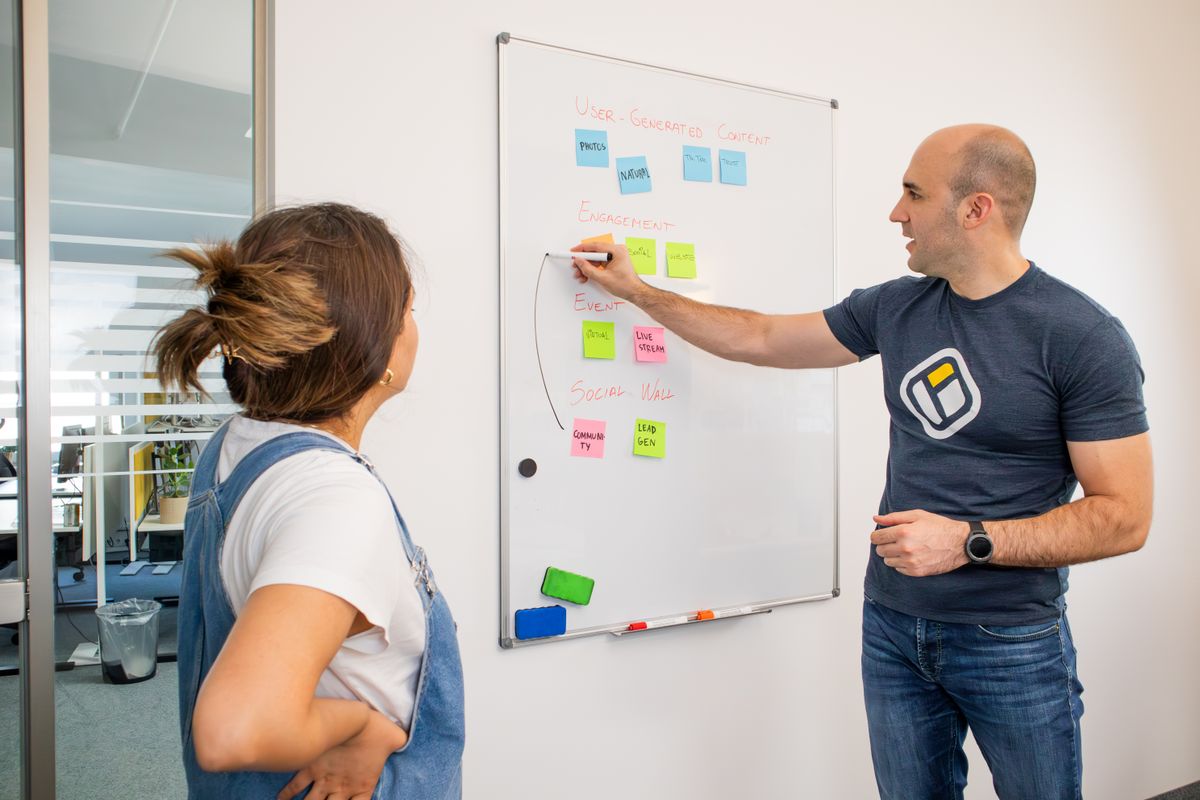
One plan, many destinations: strategy comes before distribution
How the Workflow Runs, Step by Step
Create. You start from a source: a product page, an original idea, an existing video, a PDF, a podcast transcript or plain text. A built-in topic research tool can also suggest topics worth covering.
Repurpose. AI generates the formats from that single source. You can review and edit each piece, or choose the done-for-you route, where a human team adds editorial oversight.
Distribute. The content is published across the network in one action, and reporting shows rankings and placements so you can see where it landed.
Reviewers also note that you can connect your own accounts, such as YouTube, LinkedIn, Instagram and Spotify, and use RSS feeds to pass content into other tools. That control matters if you want your own channels to be part of the footprint, not only third-party ones.
Why One Strategy Beats a Pile of Tactics
Most brands run separate efforts: a blog here, a video there, a podcast someday. The pieces rarely reinforce each other. MultiCasting's logic is that every format carries the same message, so each encounter strengthens the last.
That matters for AI visibility as well. An analysis by xfunnel.ai, reported by Search Engine Journal, covered about 40,000 AI responses and 250,000 citations and found earned, third-party content was the largest citation group on every platform tested. We unpack what that means in how to get recommended by AI search engines, and we compare the approaches in AEO vs MultiCasting.

The best campaigns start with a clear topic and a clear audience
A Realistic Timeline
One review of AmpCast says meaningful traffic growth typically takes two to three months of consistent campaigning, and frames the model as compounding over time. That is one reviewer's view, not a promise, and your results will vary by market and topic.
Month 1: Foundation. Pick your first topics, publish the first campaigns and confirm your business details are consistent everywhere.
Months 2 to 3: First signals. Watch placements, branded searches, referrals and enquiries. Test whether AI tools start naming you, using this visibility check.
Month 4 and beyond: Compounding. Keep adding campaigns, double down on the topics that earn attention, and let the library grow. The repeated exposure behind the 7-12 touchpoint rule builds here.
Software vs Done-For-You
| Route | What you do | Best for |
|---|---|---|
| Software (AmpCast) | Choose topics, review and edit the AI output, trigger distribution | Teams and agencies with the time to manage campaigns |
| Done-for-you (AmpiFire Core) | Brief the team and approve the work; they handle production with human editorial oversight | Busy owners who want results without running the workflow |
| Add-ons | Extend into MSN placement or crypto-focused DeFi distribution where it fits | Brands whose audience lives on those networks |
Scope and inclusions change over time, so confirm current details on the official pages before deciding.
If you are weighing it against a writing tool, read AmpCast AI vs Jasper AI, and for a balanced verdict see our AmpiFire review.
What to Check Before You Invest
- Ask which platforms are included on your plan, and which are examples only
- Request samples of each format so you can judge quality for yourself
- Confirm who reviews facts and claims, especially in regulated fields such as health and law
- Find out what reporting you will receive and how placements are verified
- Agree on a realistic timeline and the measures you will track
- Make sure your own site is ready to convert the visibility you earn
Honest Limitations
- The 300+ figure and many performance claims come from the vendor, so verify them yourself
- Some reviews quote very high returns on content spend "reported" by businesses. These are unaudited and we do not rely on them
- Organic results build over months, not days
- Reviewers often have commercial relationships with the tools they cover, as do we through affiliate links
- No distribution network can guarantee rankings, AI citations or sales
Who Gets the Most From It
- Agencies adding a service clients can see. Read how agencies package it
- E-commerce brands reducing ad dependence, as in our e-commerce plan
- Dental, legal and medical practices facing rising ad costs, covered in this PPC article
- B2B and professional services firms building authority with long sales cycles
For the broader picture, see AI content distribution, our pillar guide and the vendor-reported case study.
Frequently Asked Questions
It is the vendor-stated size of the distribution network, covering news and media, podcast apps, video platforms, social networks, document and image sites and content networks. It describes breadth, not guaranteed results.
No. AI generates the formats from one source, and you can review and edit them. With the done-for-you route, a human team handles production with editorial oversight.
One reviewer says meaningful growth typically takes two to three months of consistent campaigns. Results vary and cannot be guaranteed, so track branded search, referrals and enquiries monthly.
Reviews report that you can connect accounts such as YouTube, LinkedIn, Instagram and Spotify, and use RSS feeds to pass content to other tools. Confirm what is available on your plan.
It can widen the third-party footprint AI engines draw on, which may raise your odds. Nobody can guarantee that a specific engine will name you, so measure how often you appear.
See What One Strategy Across 300+ Platforms Could Do for You
Book a strategy call to review your topics, your audience and the right MultiCasting route for your business.
Disclosure: This article contains affiliate links. If you choose to purchase a service through one of these links, we may earn a commission at no extra cost to you. Platform names and features are summarised from a third-party review and may change, the 300+ platform figure is vendor-stated, and no provider can guarantee rankings, AI citations or sales.
Post a Comment